Level Up Your Love Life: How Gamers & Nerds Actually Find Their Player Two

Finding your person doesn't have to feel impossible. Whether you're into games, anime, sci-fi, or any flavor of nerd culture - here's an honest guide to actually connecting with people who get it.
The Quest Begins
Here's something nobody tells you: the same qualities that make you good at the things you love - patience, obsessive curiosity, the ability to invest deeply in something - make you genuinely good relationship material. The problem isn't you. It's usually that you're looking in the wrong places, or you haven't quite figured out how to translate who you are into how you show up. This is a field guide for fixing that.
1. Know What You're Actually Looking For

Before you start searching for someone else, spend some time on your own character sheet. What do you actually want - not what you think you're supposed to want?
Some people want a built-in partner for everything: the person they call when something good or bad happens, who's physically present in the day-to-day. Others thrive with more independence - a deep connection that doesn't require constant proximity. Neither is wrong. But if you don't know which one you are, you'll end up in relationships that feel vaguely off even when nothing is technically wrong.
Be honest about your dealbreakers too. Not your wish list - your actual non-negotiables. Knowing the difference saves everyone a lot of time.
2. Go Where Your People Actually Are

"Online" isn't a strategy. "The Friday night tabletop game at my local shop" is a strategy.
The more specific your starting point, the better your odds. Conventions, game nights, book clubs, escape rooms, themed trivia nights - these are places where you already have something in common before you say a word. That shared context does a lot of heavy lifting. You skip the awkward "so what are you into?" phase because you're already doing something you both love.
This is also exactly what Dork Date's Guilds are built for. Guilds are interest-based communities inside the app - join one around your thing (anime, tabletop, retro games, whatever it is), hang out in the chat, see who shows up for events. And when you're ready, you can discover potential matches from within that same Guild - people who are already there because they love the same thing you do. It takes a lot of the cold out of cold-approach dating.
3. Ask Better Questions
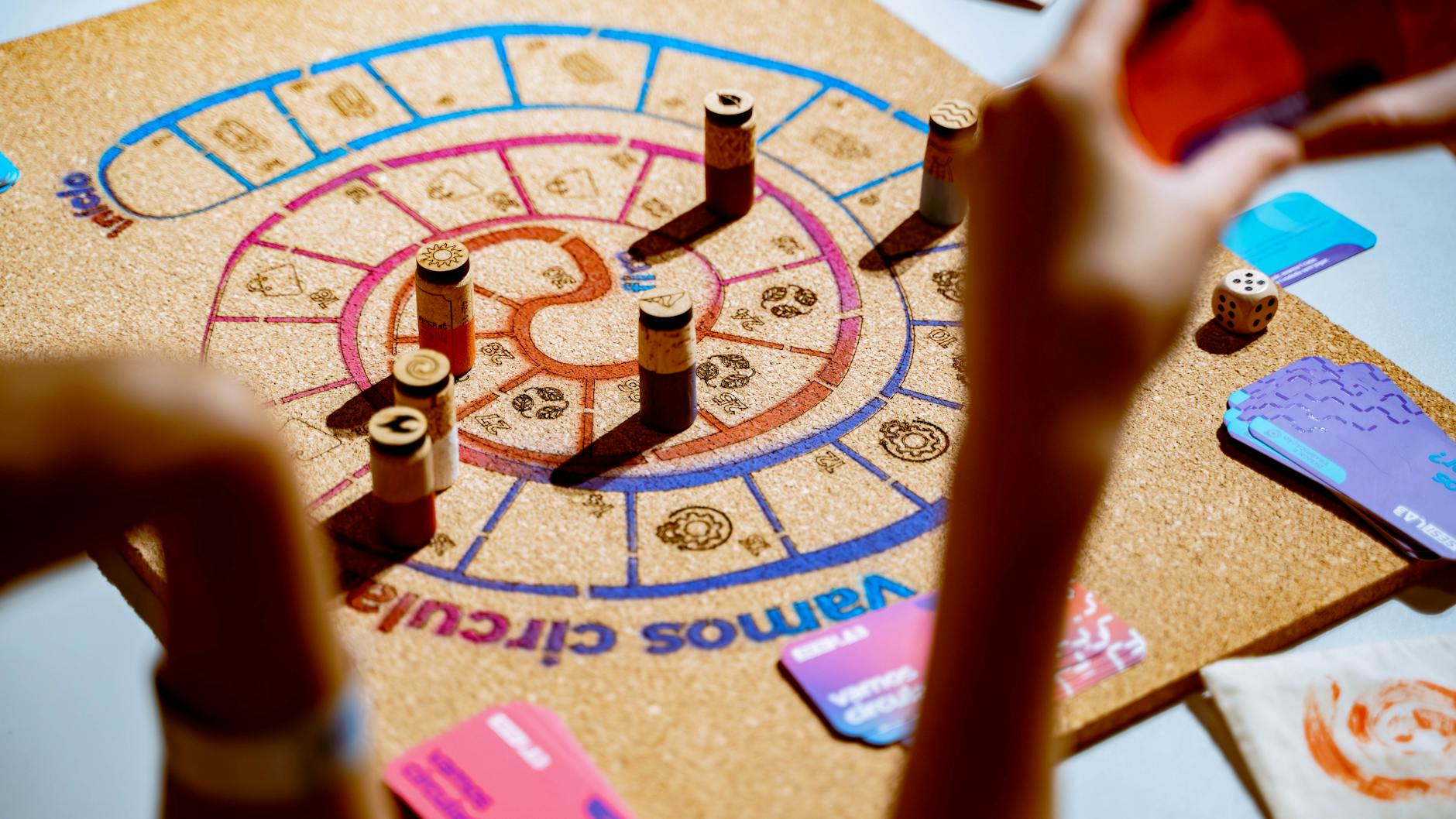
Most people lead with the wrong thing. They try to be interesting when they should be trying to be interested.
Skip the small talk. Ask things you actually want to know: What's a piece of media that genuinely changed how you think about something? Or: What's something you love that you can never get anyone else to try? These aren't clever tricks - they're just good questions that open real conversations.
If you don't know something they love, ask them to explain it. That invitation - "I've never gotten into that, what's the appeal?" - is something most people don't get nearly enough of. You'll learn something, and they'll remember you as someone who actually listened.
One caveat: shared references are great connective tissue, but they work best when they come up naturally rather than being deployed as a test. The goal is connection, not trivia.
4. Let Some Things Start Slowly

Not every meaningful connection announces itself. Some of the best ones build quietly - through repeated interactions, a running joke, an inside reference from weeks ago that someone still remembers. Don't count something out just because it didn't feel electric on day one.
That said, don't confuse patience with avoidance. There's a difference between letting something develop naturally and hanging back indefinitely because you're afraid to find out how someone actually feels. At some point, you have to say the thing. Do it directly, without making it a bigger moment than it needs to be. Most people respect honesty more than they let on - and the ones who don't aren't a great match anyway.
5. Compatible Doesn't Mean Identical

One of the more common mistakes: holding out for someone who shares every specific interest, instead of someone who genuinely respects yours and has their own. Overlap is nice. Mutual respect and curiosity are essential.
The couples who tend to do well long-term aren't necessarily the ones with perfectly matching hobbies. They're the ones who find each other's different obsessions interesting rather than inconvenient. Two people who can each nerd out about completely different things - and actually want to hear about the other person's - tend to have a lot more to talk about than two people who only like the same things.
Values, communication, and what you want out of life are the things worth aligning on. Everything else is negotiable.
6. At Some Point, Just Ask

All the preparation in the world eventually gives way to one moment: you have to actually say something.
Keep it simple and low-pressure. "I've really enjoyed talking - would you want to grab coffee or [specific thing you discussed] sometime?" works. Vague "we should hang out" does not, because it puts the burden on the other person to interpret what you mean and take initiative, which most people won't do.
Yes, you might get a no. A no is information, not a verdict. It closes one door and leaves everything else open. You're still the same person with the same things going for you - just one interaction further along.
Go Play

Finding your people - romantically or otherwise - takes time, some false starts, and occasionally a really uncomfortable conversation you're glad you had. That's not a sign you're doing it wrong. That's just what it costs.
If you're not sure where to start, start small. Join a Guild around something you actually love. See who's in it. Let conversations happen naturally. Some of them will stay community friendships. Some might turn into something more. Either way, you're building exactly the kind of network where the right person can show up without you having to manufacture the moment.
The good news is you've already got the tools. Now go use them.