Horror Game Fans and Dating: A Field Study
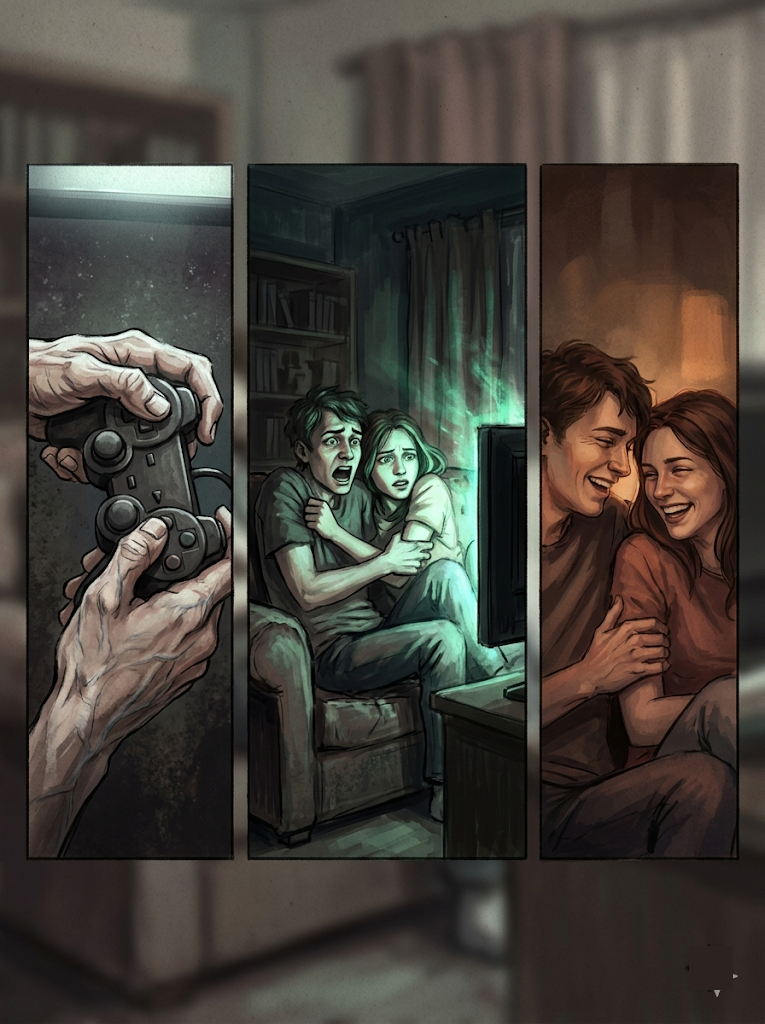
Horror game fans have a reputation. But what does the research actually say about high sensation-seekers, dark content enthusiasts, and how they show up in relationships?
Horror Game Fans and Dating: A Field Study
The Reputation Precedes Them
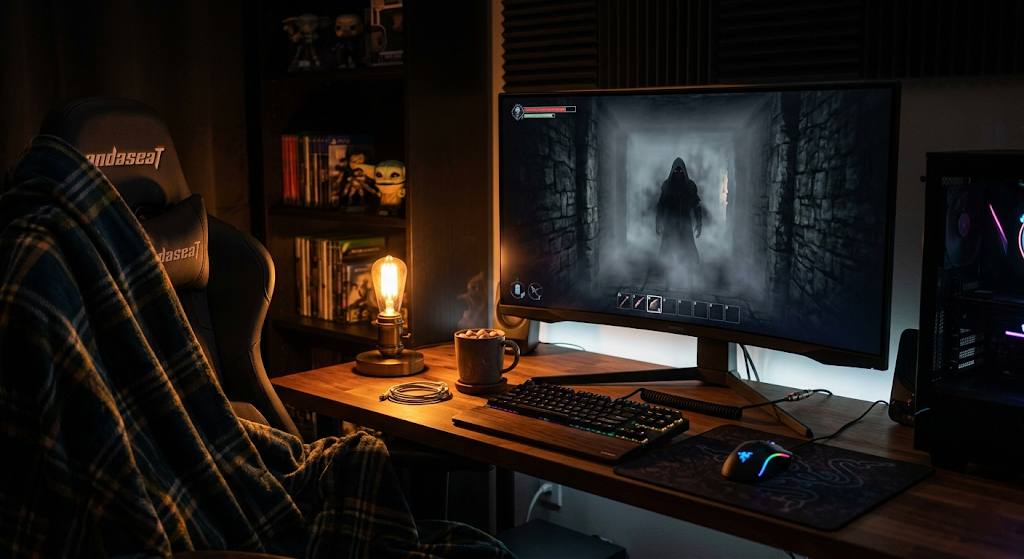
There's a look people give you when you mention you play horror games. Not the nod of recognition you get when you say you're into RPGs or strategy games. The other look. The "oh, interesting" quiet reassessment look — the one that means they're already sorting you into a category they don't fully trust.
Horror game fans have a reputation. Cold. Desensitized. Maybe a little off. The kind of person who watches something terrible happen on screen and just… keeps eating their snacks. As someone who has spent an unreasonable number of hours with Resident Evil, Silent Hill, and whatever new thing is currently making me check the hallway behind me, I've received this look many times. I've also given it considerable thought.
So I went looking for actual research. Because if we're going to do field studies, we might as well be rigorous about it.
What the psychology literature says about horror fans — particularly around empathy, emotional depth, and how they tend to handle hard things — is more interesting than the stereotype, and mostly in the direction of good news for anyone considering dating one.
Busting the Cold-and-Callous Myth First
The most persistent assumption about people who enjoy horror is that they must feel less. Less empathy. Less compassion. They've numbed out on simulated suffering and now register it about as much as a weather report.
Coltan Scrivner tested this directly. His 2024 study — "Bleeding-Heart Horror Fans" — specifically examined whether enjoyment of horror media is linked to reduced empathy or compassion. It isn't. The data doesn't support the stereotype at all. Horror fans are not, as a group, less empathetic than anyone else.
If anything, the research suggests the opposite might be closer to true — but we'll get to that.
The Three Types of Horror Fan (Your Compatibility Decoder)
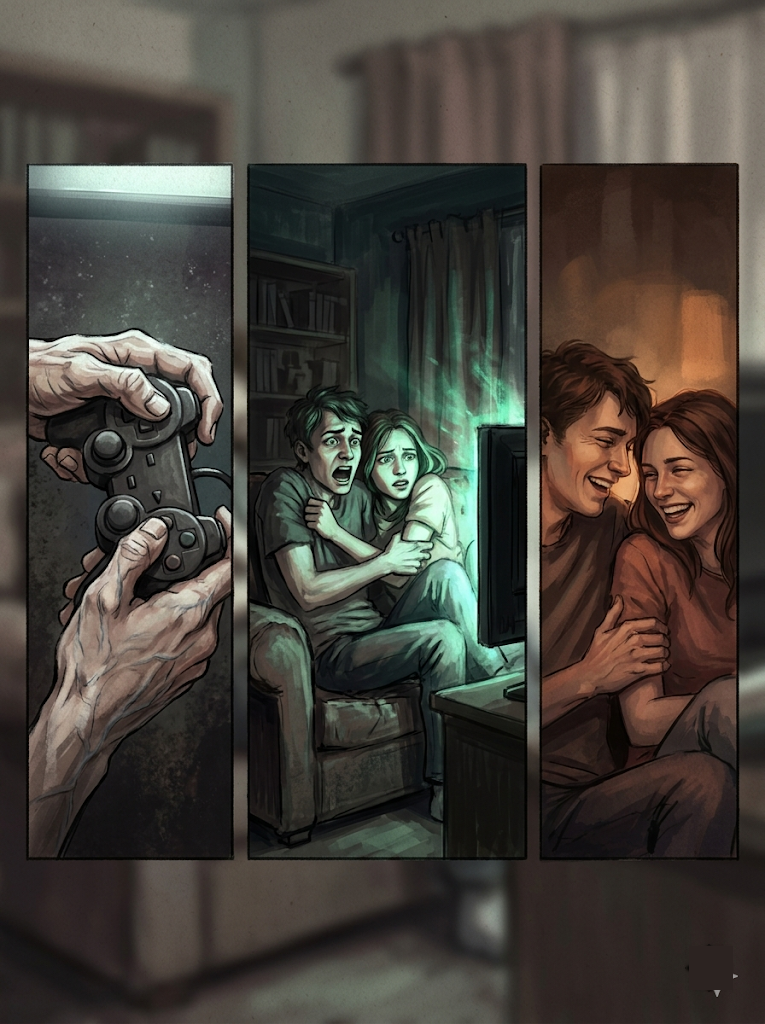
Here's where it gets useful: not all horror fans are the same, and the differences matter a lot when you're thinking about compatibility.
Scrivner's 2022 research in the Journal of Media Psychology identified three distinct horror fan types based on what they actually get out of the experience. These aren't just academic categories — they're meaningfully different personality profiles.
The Adrenaline Junkies
They're in it for the rush. The jump scare, the spike, the immediate physiological hit of being frightened in a safe context. Adrenaline Junkies report immediate enjoyment as their primary benefit — they want to feel something sharp and fast, and horror delivers. In relationship terms, these are your high-stimulation partners: novelty-seekers, energetic, likely to suggest things that involve some version of "let's see what happens." Great for people who match that energy. Less great for people who need a lot of predictability.
The White Knucklers
These are the people who are genuinely scared — and keep playing anyway. They're not desensitized. They feel every moment of it, probably intensely. What they report getting out of horror isn't just thrill; it's personal growth. The sense that they chose to face something frightening and came out the other side. If you're dating a White Knuckler, you're likely dating someone with a quiet kind of stubbornness — the "I don't like this but I'm going to see it through" personality type. Dependable in a crisis. Sometimes frustratingly committed to hard paths when easier ones exist.
The Dark Copers
This is the most interesting group from a dating perspective. Dark Copers use horror to process difficult emotions — fear, grief, anxiety, uncertainty. They engage with dark content because it gives them a structured, safe container to work through feelings that don't have easy outlets. They report both immediate enjoyment and personal growth as benefits, which means they're getting the full return on what horror offers.
Dark Copers tend to be emotionally self-aware in ways that don't always look like emotional self-awareness from the outside. They've built a relationship with their own uncomfortable feelings. That's actually a meaningful indicator of how someone will show up in a relationship under pressure.
Figuring out which type someone is usually takes about one conversation about their favorite games and why.
If you're specifically looking to find other horror fans to compare notes with — and potentially date — Dork Date's Guilds are built exactly for niche-first discovery, where you meet people through shared taste before anything else.
Sensation-Seeking: Feature, Not Bug
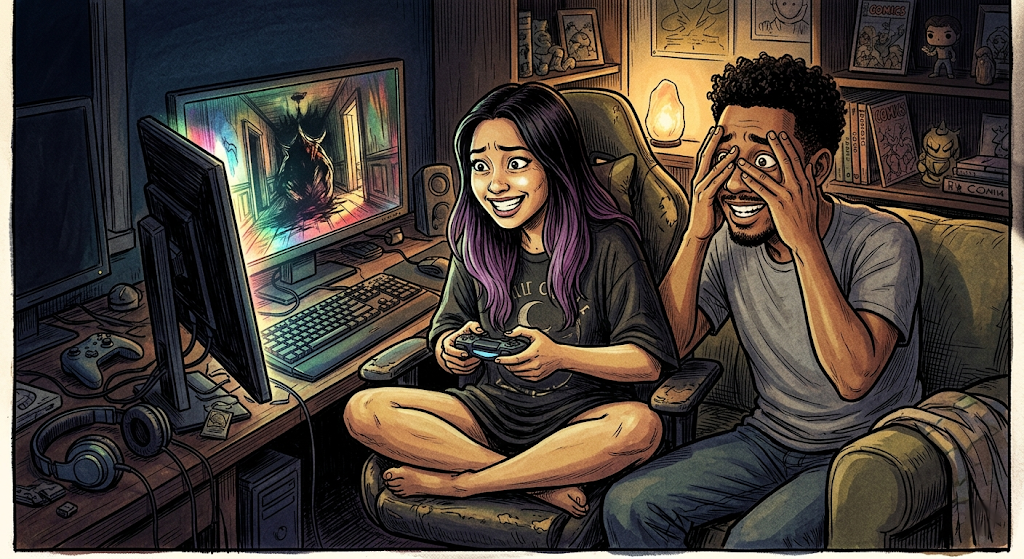
The psychological trait most consistently linked to horror enjoyment is sensation-seeking — Marvin Zuckerman's well-validated construct describing people who are novelty-oriented, risk-tolerant, and drawn to intense experiences. High sensation-seekers tend to get bored with routine faster than most. They want new inputs, varied experiences, something that actually registers.
A 2020 survey of over 1,000 horror fans by Kjeldgaard-Christiansen, Clasen, and Johnson found that sensation-seeking — along with Openness to experience and imagination — predicted both liking horror and how often people sought it out. So horror fans aren't just thrill-chasers; they tend to be imaginatively engaged and intellectually curious people who happen to also enjoy a good adrenaline spike.
What This Actually Means in a Relationship
High sensation-seekers can feel under-stimulated by partnerships that don't offer enough novelty. That's a real compatibility consideration — not a character flaw, just a trait with implications. If you're a low-sensation person who is happiest with routine and predictability, and you're dating someone who needs regular new experiences to stay engaged, that gap tends to show up eventually.
On the flip side, if you also trend toward sensation-seeking, or if you have a high capacity for novelty and adventure, a horror fan partner can be a great match. They're not going to be bored by trying something new. They're not going to need convincing to see the weird art film, go to the escape room, or take the random road trip that doesn't have a fully mapped itinerary.
The "never boring" thing is real. It's worth something.
The Dark Triad Myth (While We're Here)
One more thing worth killing before we move on: Dark Triad traits — narcissism, Machiavellianism, psychopathy — do not significantly predict horror enjoyment. This is a common assumption (horror fans must be a little psychopathic, right?) and it's not supported by the research. Horror enjoyment correlates with sensation-seeking and openness. Not with coldness, manipulation, or lack of conscience.
Horror Fans Handle Hard Things Better
Here's the finding that surprised me most, and that I think gets the least attention in casual conversations about horror fans.
During the first wave of COVID-19, Scrivner and colleagues studied how different personality types handled the psychological stress of the pandemic. The results were notable: horror fans showed significantly lower psychological distress than non-horror fans during that period. Morbidly curious individuals showed greater positive resilience. People who watched a lot of zombie and apocalypse content were both more resilient and more psychologically prepared.
The sample was 310 people, measured during peak uncertainty. The horror fan effect on distress was statistically significant (p=0.006). This isn't a small noise finding.
The Threat Simulation Theory
The explanation that makes the most sense is threat simulation: horror content gives you repeated, low-stakes exposure to frightening scenarios. Your nervous system learns, in some functional sense, that it can encounter scary things and survive them. When actual difficult circumstances arrive, the emotional regulation pathways are more worn-in.
In practical terms: if you're looking for a partner who won't completely fall apart when things get hard — job loss, health scare, the general ambient difficulty of being a person alive in the world — horror fans have a decent track record. They've been practicing, in a sense, without necessarily knowing that's what they were doing.
That's a quiet green flag. Not dramatic. Just useful.
Read the Subgenre
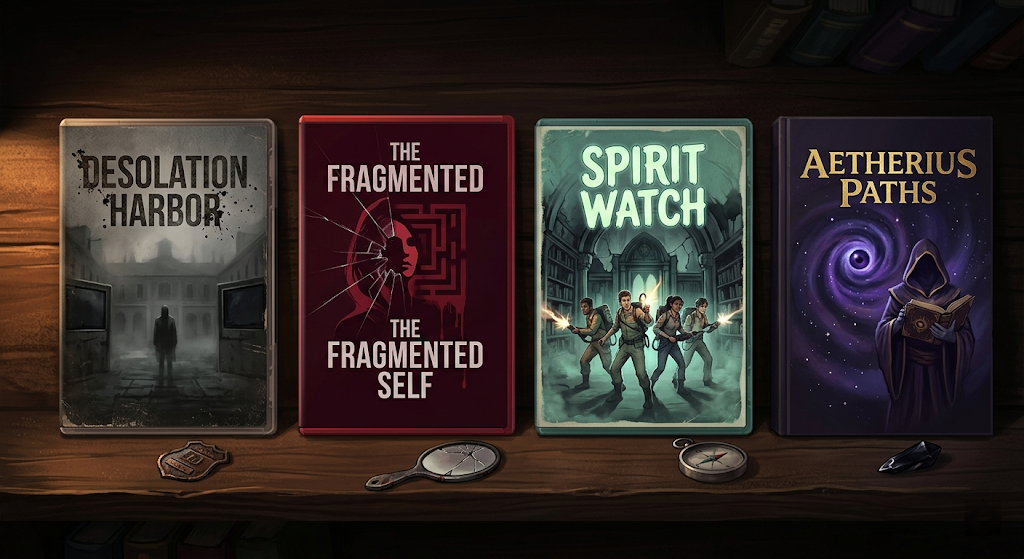
This part is observation, not academia — so treat it accordingly. But after enough time in these spaces, patterns emerge, and I'd be doing this field study a disservice if I didn't report what I've actually noticed.
Subgenre is personality shorthand.
Survival Horror (Resident Evil, The Last of Us, Dead Space)
These fans tend to be resource-minded and methodical. They think several steps ahead. They're not reckless — they manage inventory, conserve ammo, plan routes. In a relationship, this often looks like the person who's already thought about contingencies you haven't considered yet. Can trend toward over-planning. Usually reliable in actual emergencies.
Psychological Horror (Silent Hill, SOMA, Amnesia)
This is the crowd that reads the environmental storytelling, looks up the lore, watches the three-hour video essay about what the ending actually means. They're drawn to horror that operates as metaphor — grief, guilt, dissociation, existential dread rendered as game mechanics. These fans are often processing something. Not in a concerning way — just in the way that thoughtful people tend to seek out art that mirrors their inner weather. High emotional intelligence. May over-explain things sometimes.
Body Horror (Signalis, Carrion, Scorn)
Comfort with the uncomfortable. These fans have made peace with things most people find viscerally upsetting, and tend to find beauty or meaning in places that other people can't bring themselves to look. This is either fascinating or too much depending entirely on your own relationship with discomfort. Usually not squeamish. Often surprisingly gentle in person.
Cozy Horror (Cult of the Lamb, Little Nightmares, anything that softens the edges)
Yes, this is a category now, and I stand behind it. Horror aesthetics with lowered stakes — creepy but not crushing. These fans want the atmosphere and the vibe without the full cortisol tax. They're often the people who describe themselves as "a little bit goth" while also having very organized bookshelves. Good at finding joy in dark places. Excellent company.
So — Should You Date One?
The research doesn't give you a yes/no answer, because no research does. But what it does give you is a more accurate picture than the stereotype.
Horror game fans — as a group — are not cold, not callous, not secretly psychopathic. They tend to be sensation-seeking and imaginatively open. They're often more emotionally self-aware than they look from the outside, especially the Dark Copers who've built their whole relationship with horror around processing difficult feelings. They tend to handle adversity better than average. And they're almost certainly never boring.
The actual compatibility questions are the same ones that apply to anyone: Do your stimulation levels match? Do you handle conflict in ways that aren't completely incompatible? Can you find the version of "this is fun" that works for both of you?
If horror is their thing and it's a hard no for you, that's fine — that's real information. But if you've been filtering out horror fans based on some vague sense that they must be a certain kind of person, the data suggests you're probably wrong about what that looks like.
The field study is ongoing. But the early results are more interesting than the reputation.
— Rook Holloway