Ghosting in the Gamer Dating World: Why It Happens and What to Do
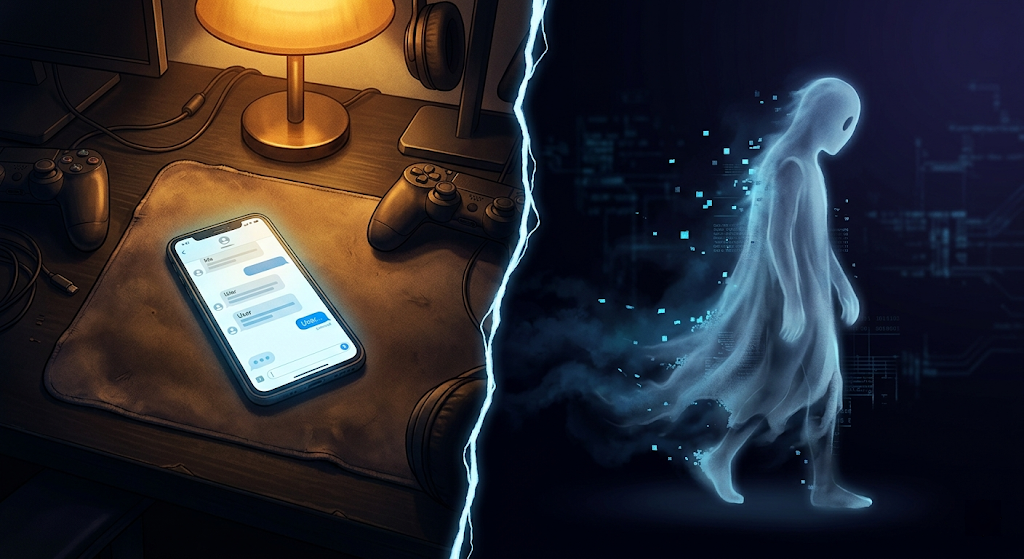
Ghosting is the dating equivalent of a rage-quit — sudden, silent, and weirdly personal. Here's why it happens so much in gamer dating culture, and how to actually handle it.
The Rage-Quit That Wasn't Your Fault
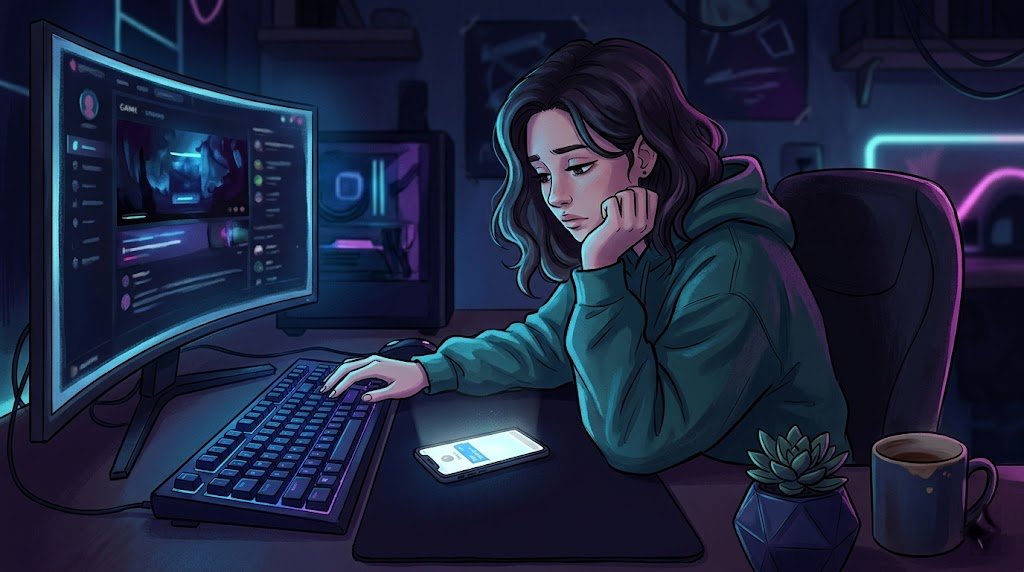
You were mid-conversation. Things felt good — maybe even great. You'd found someone who got the references, laughed at the right things, seemed genuinely interested. Then one day: nothing. No explanation, no "hey I'm not feeling it," no final boss battle. Just silence, like they'd ALT+F4'd right out of your life. Welcome to ghosting — the rage-quit of modern dating, and if you're in the gamer dating world, you've almost certainly been on one side of it.
This isn't a think-piece about how ghosting is ruining romance. It's not a lecture. It's an honest look at why it happens so much in our corner of the internet, what's actually going on psychologically when someone disappears, and what you can actually do about it — whether you're the one left staring at read receipts or the one who's been quietly backing out of conversations and feeling vaguely terrible about it.
Both sides are valid here. Both sides deserve some clarity.
The Numbers Are Worse Than You Think
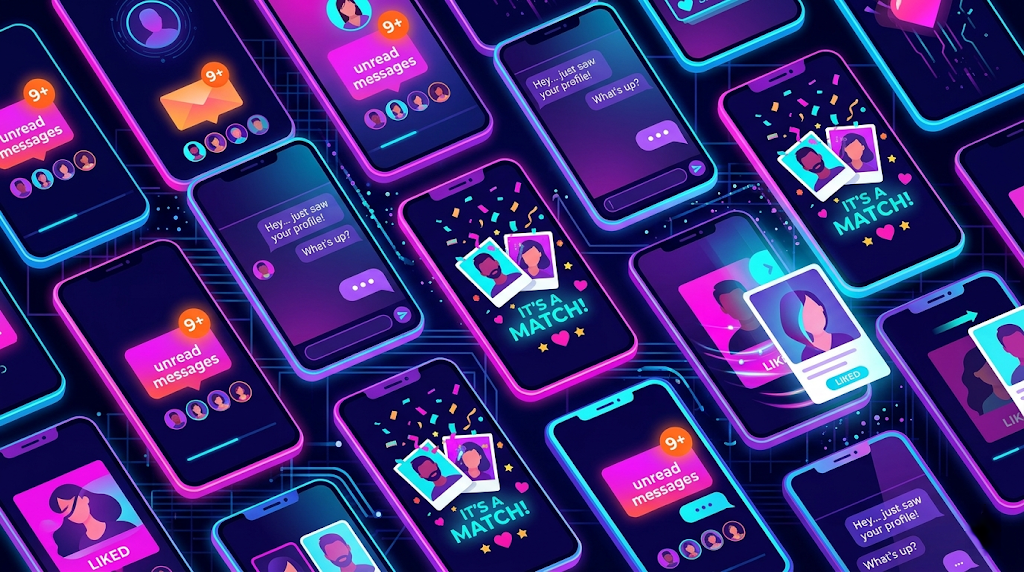
Let's not sugarcoat this. Ghosting isn't some edge-case rudeness reserved for a few bad actors — it's essentially standard operating procedure in online dating now.
According to a 2023 Forbes Health survey of 5,000 U.S. adults, 76% of people who have actively dated have been affected by ghosting — as the ghoster, the ghosted, or both. A separate Statista survey puts it at 60% of adults having been ghosted and 45% having ghosted someone. And for Gen Z and Millennials specifically? 84% have been ghosted, and two-thirds of them think it's a direct consequence of how dating apps work. Which, yeah. They're not wrong.
One in four people have been ghosted after an actual date — or several. One in ten have been ghosted after months of dating. That last stat deserves a moment. Not a few DMs, not a couple Hinge matches who went quiet. Months.
Here's the one that's strangely clarifying: 86% of people who ghosted reported feeling relief afterward. Not glee. Not cruelty. Just... relief. That tells you something important about why it happens — and it's not because people are heartless.
The Psychology of the Soft Exit
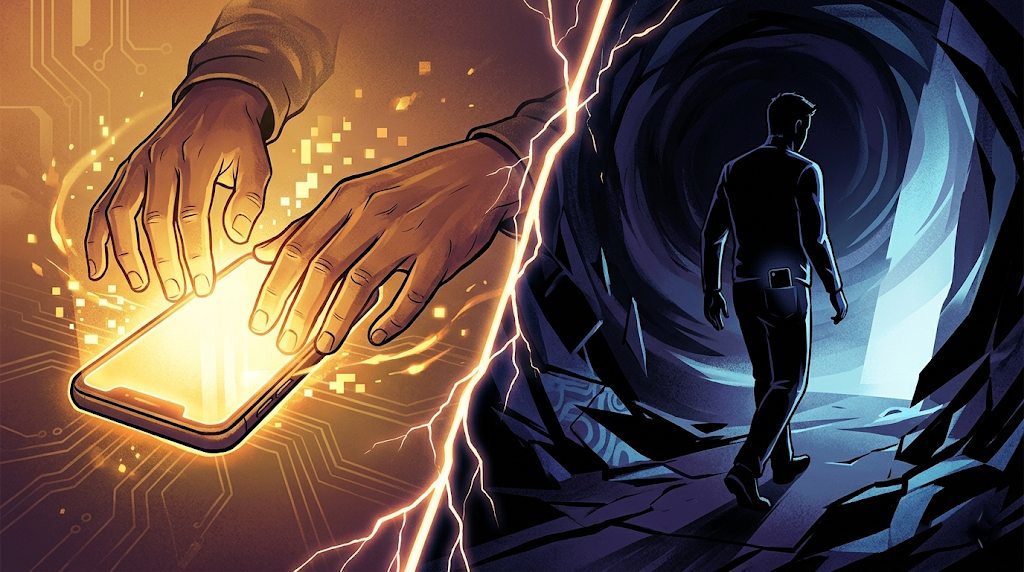
Here's the honest truth: most people who ghost aren't doing it to hurt you. They're doing it because ending things — even casual, short-lived things — requires emotional labor that a lot of people genuinely don't know how to perform.
Conflict avoidance is the number one driver. Sending a "hey, I don't think this is going anywhere" message means potentially getting a hurt or angry response, which means managing someone else's feelings, which means discomfort. Ghosting sidesteps all of that. It's the path of least resistance disguised as a non-action.
Underneath that is often an avoidant attachment style — a pattern where emotional intimacy feels threatening, where pulling back is a reflex, where "going dark" feels safer than vulnerability. This isn't a character flaw; it's usually something that developed for real reasons. But it does make ghosting feel like the only available tool when a connection starts getting real.
There's also a genuinely weird thing that happens with dating apps: digital disposability. When you're talking to a username with two selfies and a list of favorite shows, your brain doesn't always register them as fully real in the same way a person sitting across from you would be. The next match is one swipe away. The social cost of disappearing feels low. It isn't — but it feels that way, and that's enough to make the math come out wrong.
The cruel irony is that ghosting isn't even good for the ghoster. Research suggests that people who ghost tend to experience higher anxiety and avoidance patterns over time — the behavior that feels like relief reinforces the very instincts that make connection harder. Serial ghosting reinforces avoidance, atrophies emotional communication skills, and — here's the kicker — 67% of people who've been ghosted have also ghosted someone else. It's a cycle that feeds itself.
Why Gamer Dating Has a Specific Ghosting Problem
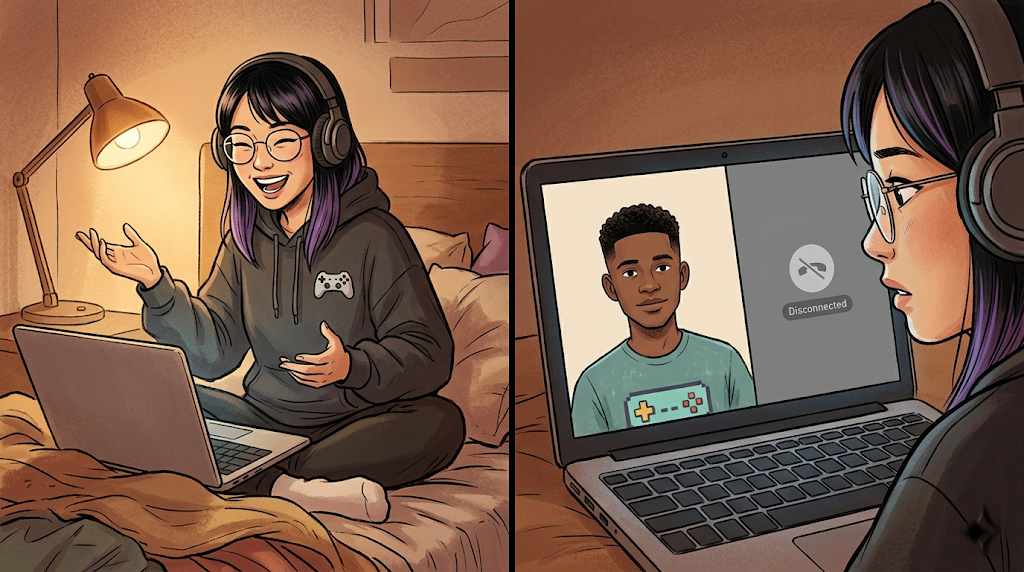
The broader dating world has a ghosting problem. Gamer dating culture has a magnified ghosting problem, and it's worth being honest about why.
Gaming communities disproportionately attract people who find text-based, asynchronous communication easier than real-time social pressure. A 2013 study in Social Science Computer Review found that heavy MMORPG players showed statistically significantly higher rates of social phobia and introversion compared to non-players. This doesn't mean all gamers are socially anxious — obviously — but it does reflect a real pattern in the population.
The thing is, gamers can be great communicators in the right context. In-game strategy, Discord banter, theorycrafting in forums — these are high-volume, low-stakes interactions where the emotional rules are clear. Dating is a different game entirely. The emotional vocabulary required — setting expectations, expressing disinterest kindly, navigating vulnerability without a script — is a genuinely different skill set, and it's one a lot of us never practiced the same way.
Add to that the introvert's reality: social interaction costs energy. When an early dating conversation starts feeling heavy or demanding, someone who recharges through solitude might genuinely hit their limit. The silence that follows isn't always malicious. Sometimes it's just low battery. But the person on the receiving end can't see the battery indicator, and the impact is the same.
There's also something worth naming honestly: the NPC mindset. When you're matching with dozens of profiles on a gamer dating app, there's a creeping tendency — usually unconscious — to treat people like they're characters in a menu rather than actual humans with feelings. It's not cruelty. It's a failure of empathy caused by abstraction. The fix isn't guilt — it's just remembering that there's a real person behind every profile who had to work up the nerve to put themselves out there.
What It Actually Does to You
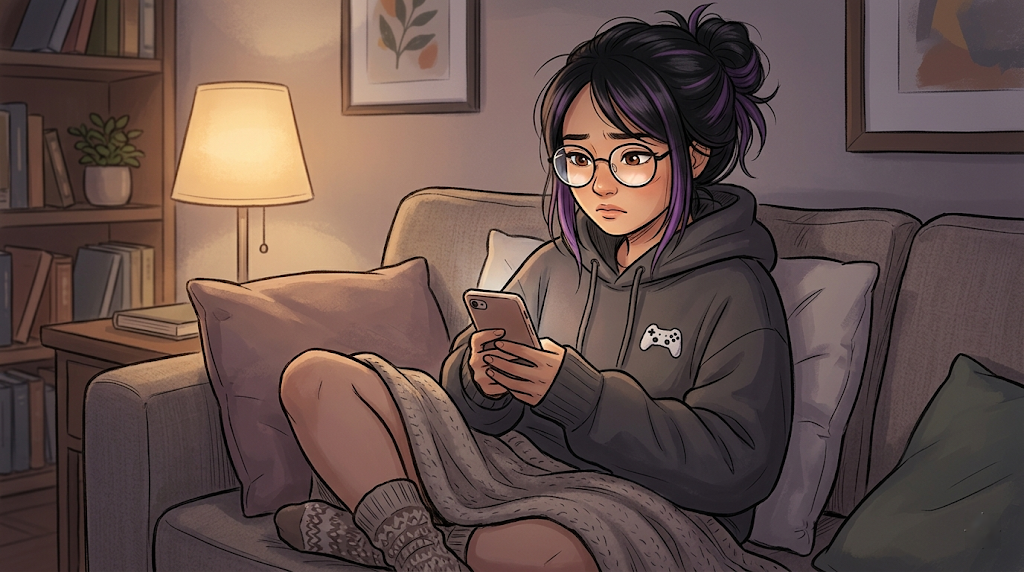
Being ghosted is legitimately hard, and anyone who tells you to just "get over it" hasn't sat with it long enough.
The particular cruelty of ghosting — compared to a clear rejection — is that it gives you no information. When someone says "I'm not feeling a romantic connection," that stings, but it closes the loop. When they just disappear, your brain fills the silence with a story, and that story is almost never flattering to you. Was I too much? Not enough? Did I say something wrong on Tuesday? Was it the thing about the anime?
A 2025 University of Brighton study linked ghosting directly to increased depression and paranoia in young adults — and the absence of closure is a big part of why. When a relationship ends with a conversation, your brain can process it and move on. When it ends with silence, it keeps running the loop, filling in blanks that will never actually be filled.
For the Dork Date crowd specifically, this can cut deeper. A lot of us came to nerd-focused dating precisely because traditional dating felt harder — because finding someone who actually gets your interests felt worth the extra effort. When you finally open up about that, put yourself out there, get a conversation going — and then it just evaporates — that's not a minor inconvenience. That's a real sting.
You're allowed to feel it. You don't have to perform being fine.
What to Actually Do (On Either Side)
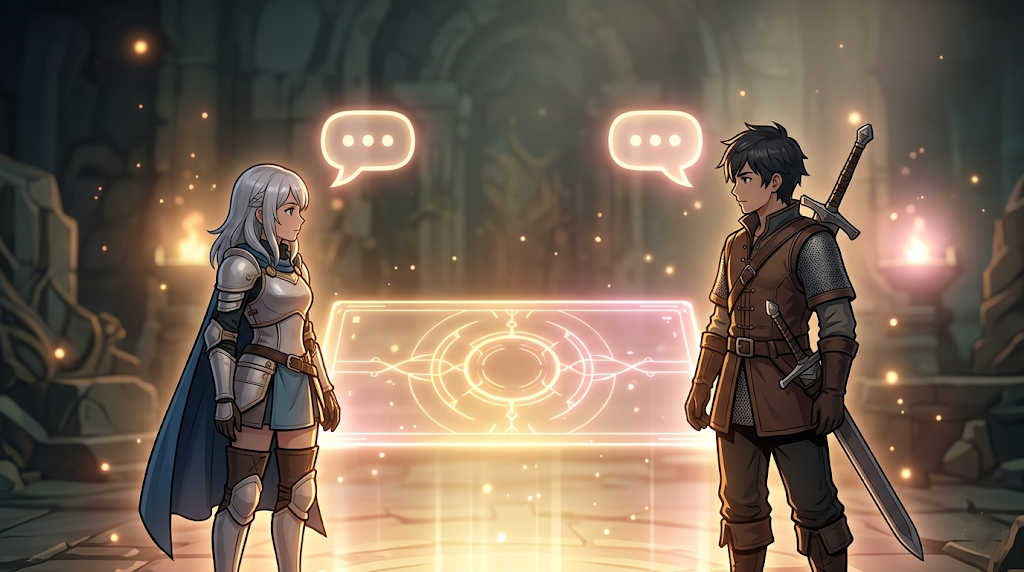
Let's get practical.
If you've been ghosted: Give it 3–5 days, then send one follow-up. Keep it short, low-pressure, no guilt trip: "Hey, haven't heard from you — no worries if you're not feeling it, just wanted to check in." That's it. One message. If you don't hear back, you have your answer. Don't send a wall of text, don't spiral into explanations, don't ask what you did wrong. The absence of a response is the response, even if it's an unsatisfying one.
After that: close the tab. Not because they deserve your indifference, but because you deserve to stop refreshing a conversation that isn't coming back. The story your brain is telling you about why they left is almost certainly not accurate. People ghost because of their own stuff — avoidance, overwhelm, conflict aversion, bad timing — not because there's something fundamentally unlovable about you.
If you're the one who ghosts: This is the part nobody wants to address, so let's address it. You probably already know it feels bad, even when it also feels easier. Here's something that actually helps: you don't have to have a big conversation. The bar is way lower than the anxiety makes it seem. "Hey, I'm not feeling a romantic connection but I hope you find your person" is literally all you need. Fifteen seconds. That's the entire cost of not leaving someone in silence.
If the idea of sending that message still feels paralyzing, that's information worth paying attention to. Conflict avoidance this strong doesn't just affect how you exit conversations — it affects how you show up in relationships overall. Not a judgment. Just worth knowing.
The gamer dating world is a small world. People talk. But more importantly, every person you're talking to is someone who showed up and tried. That deserves at least a sentence.
Dork Date's profile setup is designed to give people more context before they even match — interests, playstyle, what you're actually looking for — which tends to filter out bad-fit conversations earlier and makes those "this isn't clicking" moments easier to spot and address before they drag on. Less ambiguity upfront means less painful silence later.
You don't have to be perfect at communication to be worth dating.
The respawn button exists. Use it.